
In
an age where digital transformation is no longer a luxury but a necessity,
Huawei is leading the charge in building next-generation ICT infrastructure to
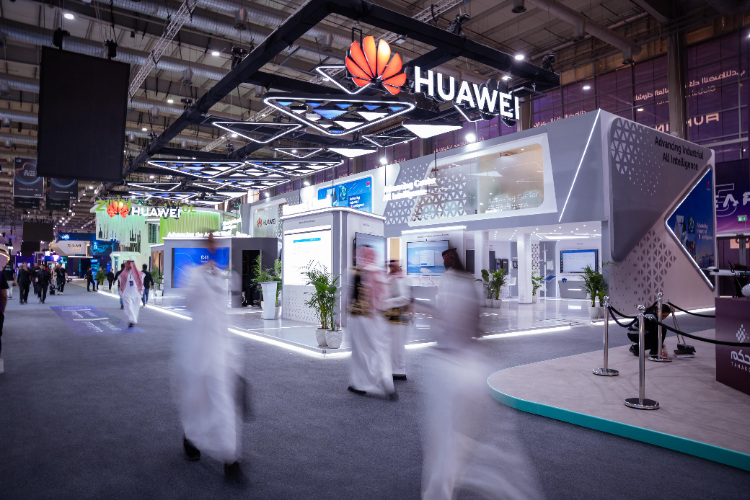
empower enterprises in the intelligent era. At GITEX Global 2024, Huawei
unveiled its vision for the future of ICT infrastructure, emphasizing the
critical role it plays in accelerating industrial digitalization and
intelligence.
During
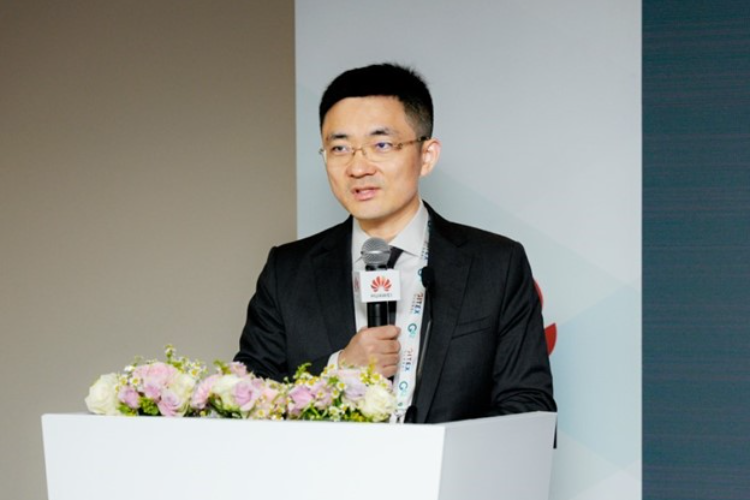
his keynote at Huawei’s Industrial Digital and Intelligent Transformation
Summit, held during GITEX Global 2024, David Shi, Vice President of ICT
Marketing and Solution Sales at Huawei, articulated the company's strategy,
focusing on two key imperatives: accelerating the popularization of ICT
infrastructure and speeding up monetization. These twin goals are designed to
create a solid foundation for enterprises to thrive in the digital age while
ensuring that investments in technology translate into tangible business value.
"Only
by working closely with our customers and partners can we truly bring
intelligence to all industries. Huawei is willing to work with all of you to
build digital and intelligent infrastructure, win in the new era, and create a
better future," said Shi.
Huawei
proposed four fundamental principles to streamline the process of building and
using advanced ICT infrastructure: easy to integrate, access, use, and evolve.
These principles are not merely theoretical constructs but practical guidelines
that Huawei is implementing across its product range.
The
concept of easy integration is particularly crucial in today's complex
technological landscape. Solutions designed to seamlessly integrate with
existing systems reduce the friction often associated with digital upgrades.
This approach not only minimizes disruption to business operations but also
accelerates the adoption of new technologies.
Accessibility
is another cornerstone of any digital transformation strategy. By developing
user-friendly interfaces and intuitive management systems, global industry
leaders like Huawei can ensure that even organizations with limited IT
resources can harness the power of advanced ICT infrastructure. This
democratization of technology is vital for fostering innovation across all
sectors of the economy.
The
emphasis on ease of use extends to Huawei's HUAWEI eKit products, which are
tailored for small and medium-sized enterprises. These products embody the
company's commitment to making advanced technologies accessible to a broader
market, potentially catalyzing a new wave of digital innovation among smaller
businesses.
Additionally,
we must evolve to keep pace with a vastly dynamic operating environment. This
step recognizes that digital transformation is an ongoing journey, not a
destination. By designing infrastructure that can easily adapt and scale, we
can future-proof clients' investments, ensuring they can respond to changing
market demands and technological advancements without needing wholesale system
replacements.
With
that in place, technology providers must address a critical concern for many
businesses: how to translate technological investments into revenue growth or
monetization. By integrating technologies with specific business scenarios and
fostering a thriving partner ecosystem, we can create pathways for continuous
enterprise growth.
This
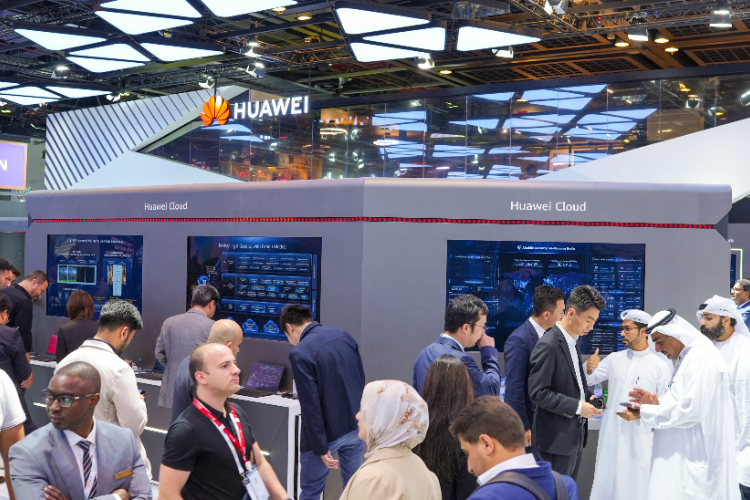
focus on monetization is evident in the range of industry-specific solutions
unveiled at GITEX GLOBAL 2024. From the National Government Cloud Solution to
the Intelligent Oil & Gas Field Solution, Huawei is demonstrating its
commitment to developing targeted applications that address the unique
challenges and opportunities in different sectors.
“Many
enterprises are taking digital transformation to the next level. They are
diving deeper into production scenarios, and looking for areas where digital
technology can provide greater value, even in traditional industries,” said Li
Peng, Corporate Senior Vice President, President of ICT Sales & Service,
Huawei, during his address at the Industrial Digital and Intelligent
Transformation Summit.
In
this scenario, applications for Huawei's next-gen ICT infrastructure are vast
and transformative. In healthcare, for instance, integrating AI, 5G, and cloud
technologies could revolutionize patient care. Imagine a hospital where
real-time data from wearable devices is seamlessly integrated with patient
records, enabling predictive diagnostics and personalized treatment plans.
Surgeons could perform complex procedures remotely, guided by augmented reality
and supported by ultra-low latency 5G networks.
In
smart cities, Huawei's ICT infrastructure could form the backbone of truly
intelligent urban environments. Traffic management systems could adapt in
real-time to changing conditions, optimizing flow and reducing congestion.
Energy grids could balance supply and demand dynamically, integrating renewable
sources and minimizing waste. Public services could be personalized and
predictive, anticipating citizen needs before they arise.
The
manufacturing sector stands to benefit tremendously from this vision. Factories
of the future could be fully automated and self-optimizing, with AI-driven
systems managing everything from supply chain logistics to quality control.
Digital twins could allow for virtual testing and optimization of production
processes, dramatically reducing time-to-market for new products.
“Huawei
is ready and willing to join forces with more customers and partners. Together,
we can do more, create more, and make the most of huge opportunities in this
exciting new era,” concluded Peng.
By
providing the foundational technologies and fostering a collaborative
ecosystem, Huawei is not just enabling digital transformation – it's actively
shaping the intelligent world of tomorrow. The journey towards this future is
complex and challenging, but with Huawei's innovative solutions and
forward-thinking approach, enterprises across the globe are well-equipped to
navigate the path to digital success.