


Tencent Holdings Ltd on
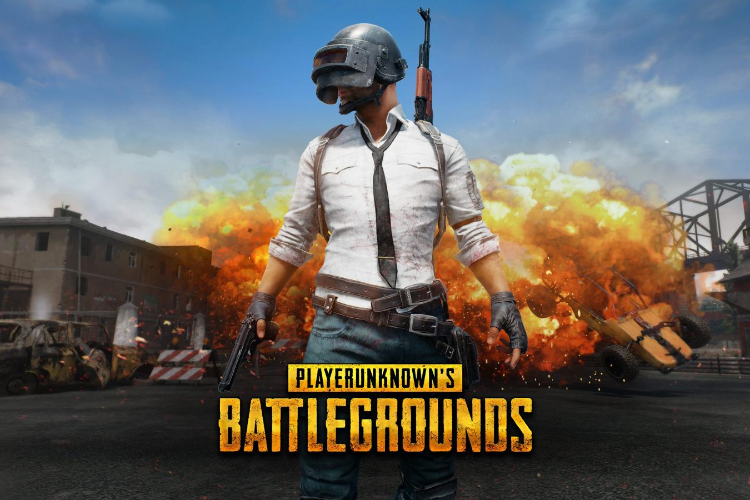
Wednesday shut down its test version of global blockbuster “PlayerUnknown’s
Battlegrounds” in China and shifted users to a similar, more patriotic video
game which, unlike PUBG, has regulatory approval to generate revenue.
FILE PHOTO: People attend the
PUBG Global Invitational 2018, the first official esports tournament for the
computer game PlayerUnknown's Battlegrounds in Berlin, Germany, July 26, 2018.
REUTERS/Fabrizio Bensch/File Photo
The Chinese video gaming leader
has waited in vain for over a year for approval to earn money on PUBG via
in-app purchases, having given the gory, South Korean-made game a socialist
makeover to meet stringent government rules.
In a post on the game’s official
account on China’s Twitter-like Weibo platform, Tencent said it would end
testing for PUBG. It also said it had launched an anti-terrorism-themed “Game
for Peace”, for which it gained monetization approval in April.
“With PUBG Mobile having around
70 million average daily active users in China now, we expect Game for Peace
could potentially generate 8 billion yuan to 10 billion yuan ($1.18 billion to
$1.48 billion) in annual revenue”, said analysts at China Renaissance.
Tencent shares were up about 2
percent in afternoon trade.
In a website statement, Tencent
described Game for Peace as a tactical shooting game developed in-house which
“pays tribute to the blue sky warriors that guard our country’s airspace”, in
reference to the Chinese air force.
IHS Markit games analyst Cui
Chenyu said user reviews indicated that Game for Peace was very similar to
PUBG, a PC game from South Korea’s Krafton, previously known as Bluehole.
Tencent licensed PUBG in China and created a mobile version.
“It’s almost exactly the same,”
she said. “The game play, the background, the graphic design and the
characters, they’re almost the same.”
Some Weibo users said on
starting Game for Peace, they found themselves at a place in the game that
strongly resembled the place they left off in PUBG, complete with PUBG gaming
history.
Tencent told Reuters “they are
very different genres of games”.
A spokeswoman for Krafton said
the firm was looking into PUBG’s status in China and declined to comment
further.
Global game distributor Steam
named PUBG one of its highest-grossing titles of 2018. On Wednesday, “PUBG is
gone” was the one of most viewed topics on Weibo, with over 300 million clicks
and close to 90,000 posts.
“I was scared to death,” said
one Weibo user of his feelings when he realized that PUBG had been shut down in
China, explaining he had spent many nights to reach a certain level.
“But I didn’t expect that once I
updated it to Game of Peace it returned me back to the same level. The game
changed its name and became very socialist to gain approval.”
Others commented on the absence
of gore, which regulators have all but outlawed in new titles following a
public outcry over perceived excess in video games.
“I’m going to die of laughter,” said
another Weibo user. “When you shoot people, they don’t bleed, and the dead get
up and wave goodbye!”

